

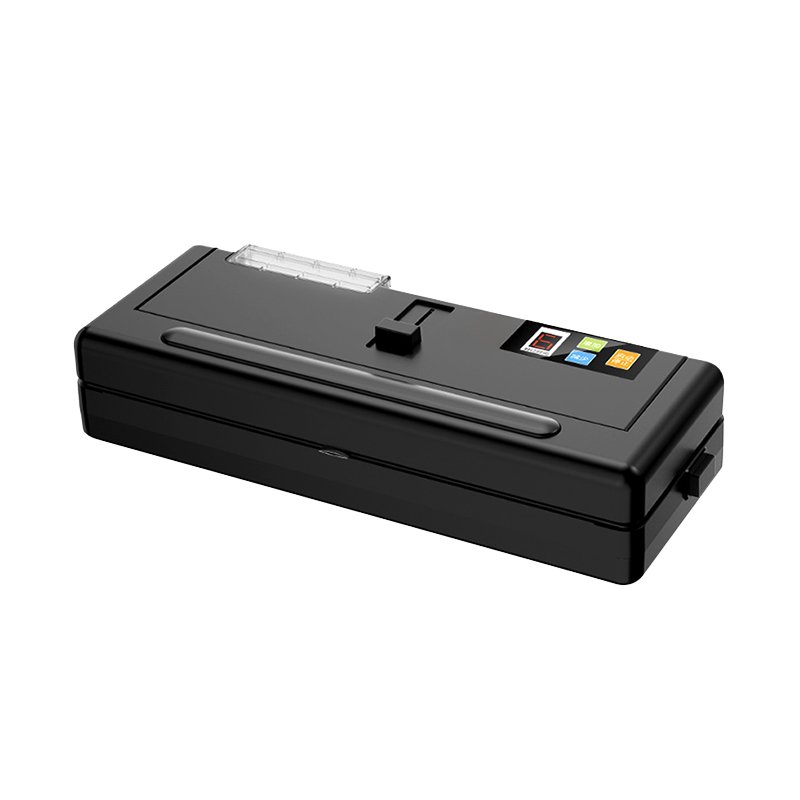
Jeden słaby zgrzew zmienia automatyczną pakowarkę próżniową za $31 w reklamację gwarancyjną, jednogwiazdkową opinię i dystrybutora, który po cichu przestaje ponawiać zamówienia — dlatego o Twoim zamówieniu zakupu powinna decydować szczelność zgrzewu przy realnym obciążeniu, a nie sama deklarowana wartość ssania. Automatyczna pakowarka próżniowa to urządzenie blatowe, które odsysa powietrze z worka i zgrzewa go termicznie po naciśnięciu jednego przycisku; dla importera właściwa pakowarka próżniowa to taka, której zgrzew wytrzymuje 500 cykli dziennie bez utraty parametrów. Ten poradnik wyjaśnia, co faktycznie daje siła ssania 80 kPa, czym zgrzewarka zewnętrzna różni się od maszyny komorowej i co dokładnie sprawdzić przed złożeniem zamówienia pod marką własną.
// 01 — Najważniejsze wnioski
Najważniejsze wnioski
Ssanie mierzone przy dyszy — górna granica praktycznego zakresu dla zewnętrznej pakowarki do użytku domowego i lekkiego zastosowania komercyjnego, wystarczająco głęboka do pakowania zwartych, wilgotnych porcji bez ich zgniatania.
Parametr pracy ciągłej 24 godziny przy około 500 zgrzewach dziennie — cykl pracy dla lekkich zastosowań komercyjnych, a nie domowa ocena do użycia raz w tygodniu.
Szerokość listwy zgrzewającej, odpowiednia do worków na porcje hurtowe i rozmiary rodzinne.
Minimalne zamówienie bezpośrednio z fabryki, z oznakowaniem OEM/ODM i 12-miesięczną gwarancją.
Kraje, do których wysyłamy bezpośrednio od 2005 — kupujesz od fabryki, nie od łańcucha pośredników handlowych.
// 02 — Ssanie
Jakiej siły ssania w pakowarce próżniowej naprawdę potrzebujesz?
Dla żywności suchej i półwilgotnej liczy się zakres ssania 60–80 kPa; 80 kPa znajduje się na jego górnej granicy. Powyżej tej wartości zewnętrzna pakowarka nie zwiększa już trwałości przechowywania, a zaczyna grozić zgnieceniem produktu, więc uczciwa odpowiedź brzmi: wystarczająca siła, mierzona przy dyszy, a nie największa liczba na kartonie.
Co oznacza 80 kPa przy dyszy
Siłę ssania zewnętrznej pakowarki próżniowej podaje się w kilopaskalach (kPa), a punkt odniesienia jest prosty: jedna atmosfera to około 100 kPa, więc urządzenie ocenione na 80 kPa usuwa mniej więcej 80 procent powietrza wokół żywności. Niezależne poradniki zakupowe wskazują, że większość pakowarek domowych mieści się w zakresie 60–80 kPa, czyli około 18–24 cali słupa rtęci (poradnik specyfikacji Giraffyco). Przy 80 kPa ten model znajduje się na mocnym końcu tego przedziału — wystarczająco głębokim, aby odciągnąć powietrze z gęstych produktów białkowych i ograniczyć oparzelinę mrozową, co USDA potwierdza jako praktyczną korzyść z usuwania tlenu podczas przechowywania mrożonek (tabela przechowywania chłodniczego FDA).
Kiedy większe ssanie przestaje pomagać
Pogoń za najwyższą wartością kPa to częsty błąd zakupowy. Powyżej około 80 kPa w urządzeniu zewnętrznym dodatkowe ssanie zgniata pieczywo, jagody i porcjowane mięso, zamiast lepiej je chronić, a przy płynach nie daje żadnej korzyści — zewnętrzna pakowarka wciągnie zupę lub marynatę prosto do pompy, jeśli do tego dopuścisz. Mierzalna korzyść z pakowania próżniowego wynika z beztlenowego środowiska bez dostępu tlenu, które ono tworzy, a ten efekt osiąga się na długo przed maksymalnym wskazaniem manometru.
Jak uczciwie czytać specyfikację ssania
Wartość ssania pakowarki próżniowej ma znaczenie tylko w zestawieniu z przepływem powietrza i klasą pracy. To urządzenie osiąga przepływ 12 L/min (±15%) i jest przystosowane do pracy ciągłej, więc szybko i powtarzalnie dochodzi do celu 80 kPa, a nie tylko przy pojedynczym pokazowym cyklu w salonie. Audytując kartę specyfikacji dostawcy, poproś łącznie o ssanie, przepływ i znamionową liczbę zgrzewów dziennie — sama deklaracja kPa bez stojącej za nią klasy pracy mówi prawie nic.
// 03 — Specyfikacja
Karta specyfikacji pakowarki próżniowej UAHFW14
Poniższa specyfikacja to dokładna konfiguracja, którą wysyłamy. To zewnętrzna automatyczna pakowarka 150 W z pompą 80 kPa, pięciowarstwową listwą grzewczą 28 cm i uniwersalnym wejściem 100–220 V dla mieszanych rynków eksportowych.
Podstawowe parametry pracy
Model UAHFW14 · Rev. 2026.07
| Specyfikacja | Ten model | Dlaczego ma to znaczenie dla Twojego kupującego |
| Siła ssania próżni | 80 kPa | Górna granica zakresu dla urządzeń zewnętrznych; głębokie odsysanie bez zgniatania |
| Szerokość listwy zgrzewającej | 28 cm | Obsługuje worki na porcje hurtowe i rozmiary rodzinne |
| Listwa grzewcza | 4 mm, pięciowarstwowa | Szersza linia zgrzewu lepiej opiera się przeciekom na półce detalicznej |
| Moc znamionowa | 150 W | Utrzymuje kolejne cykle przy ~500 zgrzewach/dzień |
| Przepływ powietrza | 12 L/min ±15% | Szybkie, powtarzalne odsysanie, nie jednorazowy wynik |
| Napięcie | 100–220 V (50–60 Hz) | Jedno SKU obejmuje większość kierunków eksportowych |
| Obudowa | ABS | Odporna na uderzenia; gotowa pod Twoją kolorystykę |
Co każda liczba oznacza na półce
Czytane razem, parametry opisują zewnętrzną pakowarkę do lekkich zastosowań komercyjnych, zbudowaną do powtarzalnej pracy: wystarczająca siła ssania i szerokość zgrzewu dla lady mięsnej lub kuchni przygotowującej posiłki, szeroki pięciowarstwowy zgrzew utrzymujący szczelność podczas obsługi w łańcuchu chłodniczym oraz uniwersalne wejście napięcia, dzięki któremu jeden model można wysyłać do kupujących na rynkach o różnych standardach sieci. Sterowanie obejmuje obsługę przyciskami, regulowany tryb stopnia próżni, wyjmowaną tackę ociekową i filtrowany pojemnik do odprowadzania płynów przy okazjonalnej wilgoci.
// 04 — Porównanie
Zewnętrzna czy komorowa: który typ warto mieć w ofercie?
Wprowadź do oferty zewnętrzną automatyczną pakowarkę, taką jak ten model, dla klientów domowych, przygotowujących posiłki i lekkich użytkowników komercyjnych, którzy pakują głównie żywność suchą i półwilgotną; maszynę komorową zostaw dla klientów, którzy zgrzewają płyny i zupy w dużej skali. To różne kategorie obsługujące różne poziomy cenowe, a nie lepsze lub gorsze wersje tego samego produktu.
| Typ | Jak usuwa powietrze | Najlepsze zastosowanie | Koszt worków | Od $/szt. |
|---|---|---|---|---|
| Automatyczna zewnętrzna Ten model | Odsysa powietrze przez otwarty koniec worka | Produkty suche i półwilgotne, od domu po lekkie zastosowania komercyjne | Worki moletowane / kanałowe | $31 |
| Komorowa | Opróżnia całą komorę wokół worka | Płyny, zupy, kuchnie o dużym wolumenie | Tańsze gładkie worki | Wyższy |
| Ręczna / bezprzewodowa | Mała pompka przez zawór lub dyszę | Okazjonalne użycie domowe, worki strunowe | Worki z zaworem strunowym | Niższy |
Automatyczna zewnętrzna (ten model)
Zewnętrzna pakowarka próżniowa wyciąga powietrze przez otwarty koniec worka, a następnie zgrzewa go. Jest kompaktowa, przystępna cenowo i najlepiej pasuje do największej części rynku detalicznego — gospodarstw domowych, osób przygotowujących posiłki z wyprzedzeniem oraz małych firm spożywczych pakujących porcjowane mięso, sery i produkty suche. Niezależne porównania wskazują zewnętrzne pakowarki ssące jako najkorzystniejsze cenowo rozwiązanie do suchej żywności i użytku domowego (SEFA KitchenBiz).
Maszyna komorowa
Pakowarka komorowa umieszcza cały worek w szczelnej komorze i usuwa powietrze wokół niego, co pozwala pakować zupy, marynaty i płyny bez wciągania ich do pompy. Używa tańszych gładkich worków i pasuje do komercyjnych kuchni o dużej wydajności — ale jest większa, cięższa i należy do wyższego poziomu cenowego, więc obsługuje innego kupującego niż zewnętrzne urządzenie blatowe.
Opcja ręczna lub bezprzewodowa
Pakowarki ręczne wykorzystują małą pompkę i zawór do odsysania powietrza z worków strunowych. To poziom wejściowy: wygodny do okazjonalnego użytku domowego, ale nie zbudowany pod szczelność zgrzewu ani cykl pracy, jakiego klienci dystrybutora oczekują od urządzenia używanego codziennie.
// 05 — Produkcja
Jak produkujemy tę pakowarkę próżniową
Każdy UAHFW14 jest projektowany, oprzyrządowany, montowany i testowany na linii w naszym własnym zakładzie w Guilin. Ponieważ kontrolujemy oprzyrządowanie, komponenty i wykończenie we własnym zakresie, zlecenia OEM i ODM obsługujemy bezpośrednio, a nie przekazujemy ich dalej w łańcuchu pośredników — urządzenie, które sprzedajesz pod marką własną, to urządzenie, na którym polega Twój klient.
Własne oprzyrządowanie i formowanie
Obudowa ABS jest formowana na naszym własnym oprzyrządowaniu, więc Twoja kolorystyka, położenie logo i opakowanie detaliczne są uwzględniane konstrukcyjnie od pierwszego wtrysku — nie dopasowywane później przez pośrednika.
Montaż pompy i PCBA
Pompa 80 kPa i płytka sterująca są montowane oraz uruchamiane u nas, a następnie dobierane do pięciowarstwowej listwy grzewczej, która wykonuje zasadniczą pracę szczelnego zgrzewu bez przecieków.
Kontrola szczelności zgrzewu i próżni
Każda partia przed wysyłką przechodzi testy liniowe — ssanie jest sprawdzane względem celu 80 kPa, a zgrzewy są testowane na rozciąganie, dzięki czemu wady wychwytujemy na naszej hali, a nie na półce Twojego kupującego.
Zgodność i gwarancja
Produkujemy zgodnie z normami CE, RoHS i standardami istotnymi dla FDA dla urządzeń gospodarstwa domowego oraz dostarczamy konkretne oznaczenia i raporty z badań dla Twojego rynku docelowego, z minimum 12-miesięczną gwarancją. Certyfikaty różnią się w zależności od linii produktowej i rynku — w naszym Trust Center sprawdzisz, co możemy udokumentować dla Twojego zamówienia.
“Jesteśmy fabryką, nie brokerem. Kiedy kupujący otwiera karton w Rotterdamie albo Rijadzie, zgrzew musi trzymać — dlatego testujemy go na rozciąganie, zanim opuści Guilin, i obejmujemy go własną gwarancją.”
— Mi Lan, założycielka, Guilin Prime Household Products Co., Ltd.
// 06 — Zakup u źródła
Zakup u źródła: MOQ, termin realizacji i certyfikacja
Ten model wysyłamy bezpośrednio z fabryki przy minimalnym zamówieniu 500 sztuk, od $31 za sztukę, z oznakowaniem OEM/ODM i 12-miesięczną gwarancją. Poniżej znajdziesz punkty, które należy potwierdzić z każdym dostawcą pakowarek próżniowych przed zatwierdzeniem zamówienia zakupu.
Minimalne zamówienie i termin realizacji
Nasze standardowe MOQ dla UAHFW14 wynosi 500 sztuk. Branżowe poradniki dla kupujących wskazują, że MOQ chińskich pakowarek próżniowych często zaczyna się w okolicach 100 sztuk przy terminach realizacji 15–30 dni, i zalecają potwierdzenie minimum dla każdego koloru lub konfiguracji, a nie tylko dla całego zamówienia (lista kontrolna audytu fabryki). Zalecamy zamówienie próbki przed pierwszą serią produkcyjną, aby Twój zespół mógł przetestować wytrzymałość zgrzewu na własnych workach.
Certyfikaty według rynku
Potrzebne oznaczenia zależą od miejsca sprzedaży: CE i RoHS dla Europy, FCC dla Stanów Zjednoczonych oraz zgodność istotna dla FDA dla elementów mających kontakt z żywnością. Poproś dostawcę o certyfikaty i raporty z badań zgodne z Twoim rynkiem docelowym — brak dokumentacji jest częstą przyczyną opóźnień celnych i odrzuceń przy wprowadzaniu do kanałów sprzedaży, więc dokumenty powinny podróżować razem z towarem.
Logistyka i załadunek kontenera
Pakowany po sześć sztuk w kartonie o objętości 0.052 CBM, UAHFW14 efektywnie wykorzystuje fracht morski, co utrzymuje stabilny koszt dostarczony za sztukę przy zamówieniu pełnokontenerowym.
// 07 — Trwałość przechowywania
Jak długo naprawdę wytrzymuje żywność pakowana próżniowo?
Pakowanie próżniowe zwykle wydłuża trwałość przechowywania trzy- do pięciokrotnie w porównaniu z tradycyjnym przechowywaniem: żywność, która w zwykłej zamrażarce zachowuje jakość przez 6–12 miesięcy, po zapakowaniu próżniowym może wytrzymać 2–3 lata, ponieważ usunięcie tlenu spowalnia rozwój drobnoustrojów i oparzelinę mrozową psujące mrożoną żywność.
Trwałość w zamrażarce i lodówce
Mechanizm jest prosty: większość organizmów powodujących psucie potrzebuje tlenu, więc beztlenowy worek bez powietrza spowalnia ich rozwój, a wytyczne USDA przedstawiają pakowanie próżniowe jako praktyczny sposób wykorzystania sezonowych zakupów hurtowych i ograniczenia oparzeliny mrozowej (USDA Food and Nutrition Service). Dla przechowywania mrożonego temperatura referencyjna USDA wynosi 0 °F (−18 °C); worki pakowane próżniowo należy przechowywać na płasko.
Uwaga o bezpieczeństwie żywności, którą warto wydrukować na pudełku
Pakowanie próżniowe spowalnia psucie; nie sterylizuje. Gorąca, łatwo psująca się żywność musi zostać schłodzona do 41 °F (5 °C) lub niżej przed pakowaniem próżniowym i przechowywana w lodówce, ponieważ worek bez tlenu może sprzyjać niektórym bakteriom beztlenowym, jeśli żywność jest narażona na niewłaściwą temperaturę. Krótka, uczciwa instrukcja pielęgnacji na opakowaniu detalicznym chroni zarówno użytkownika końcowego, jak i Twoją markę.
// 08 — FAQ
Najczęściej zadawane pytania
Czy 80 kPa to wystarczająca siła ssania dla pakowarki próżniowej?
Czy ta zewnętrzna pakowarka próżniowa radzi sobie z płynami?
Jaka jest minimalna ilość zamówienia i termin realizacji?
Czy oferujecie OEM i oznakowanie pod marką własną?
Jakie certyfikaty ma ta pakowarka próżniowa?
// 09 — Wyróżniony model
Model omawiany w tym poradniku
// Model UAHFW14
Automatyczna pakowarka próżniowa, 80 kPa, zgrzew 28 cm, ręczna dysza
150 W · 80 kPa · pięciowarstwowa listwa 28 cm · 100–220 V · znamionowo ~500 zgrzewów/dzień
Od $31 / sztuka · MOQ 500
// 10 — Podsumowanie
Najważniejszy wniosek dla kupujących pakowarki próżniowe
Dla większości kupujących detalicznych i dystrybucyjnych zewnętrzna automatyczna pakowarka próżniowa 80 kPa to optymalny wybór: wystarczająca siła ssania i szerokość zgrzewu dla głównej części rynku, klasa pracy do lekkich zastosowań komercyjnych oraz koszt dostarczony, który utrzymuje sensowną kalkulację przy wolumenie kontenerowym. Kupuj według szczelności zgrzewu i realnego cyklu pracy, a nie największej liczby ssania, potwierdź certyfikaty dla swojego rynku i zamów próbkę przed pierwszą serią. Jako fabryka stojąca za UAHFW14 — nie broker — możemy poprzeć tę decyzję naszym oprzyrządowaniem, testami liniowymi i 12-miesięczną gwarancją. Dowiedz się więcej o naszej fabryce albo poproś o wycenę poniżej.
Polecany model
Pakowarka próżniowa, 65kPa, uszczelnienie 30 cm, schowek na rolkę (VS-TGX4)
Ta zgrzewarka próżniowa jest produkowana bezpośrednio w fabryce i oferuje 65 kPa oraz 30 cm zgrzewu, z miejscem na rolkę, od Guilin Prime Household Products. Dostępna OEM/ODM z niskim MOQ…
od $14.00
Podobne produkty
Pakowarka próżniowa, 65kPa, uszczelnienie 30 cm, schowek na rolkę, kontrola temperatury
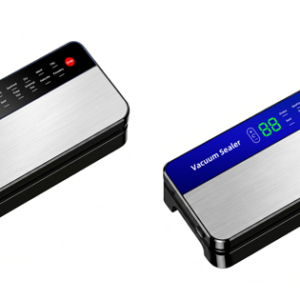
Pakowarka próżniowa, 70kPa, uszczelnienie 30 cm, 10 trybów, 120W
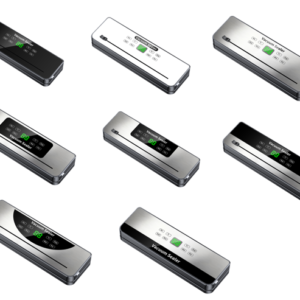
Pakowarka próżniowa, 75kPa, 30 cm uszczelnienie, Ekran dotykowy, Kontrola temperatury
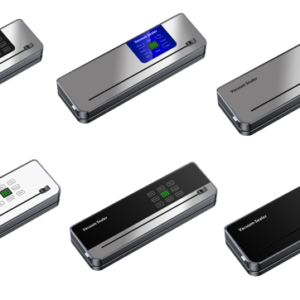
Pakowarka próżniowa, 75kPa, 30 cm uszczelnienie, kontrola temperatury
Gotowy do zamówienia lub potrzebujesz oferty hurtowej?
Guilin Prime Household Products Co., Ltd. produkuje te zgrzewarki próżniowe bezpośrednio z naszej fabryki w Guilin w Chinach — zamówienia OEM, private-label i B2B mile widziane. Podaj swój rynek docelowy i ilości, aby otrzymać wycenę bezpośrednio z fabryki w ciągu 24 godzin.