

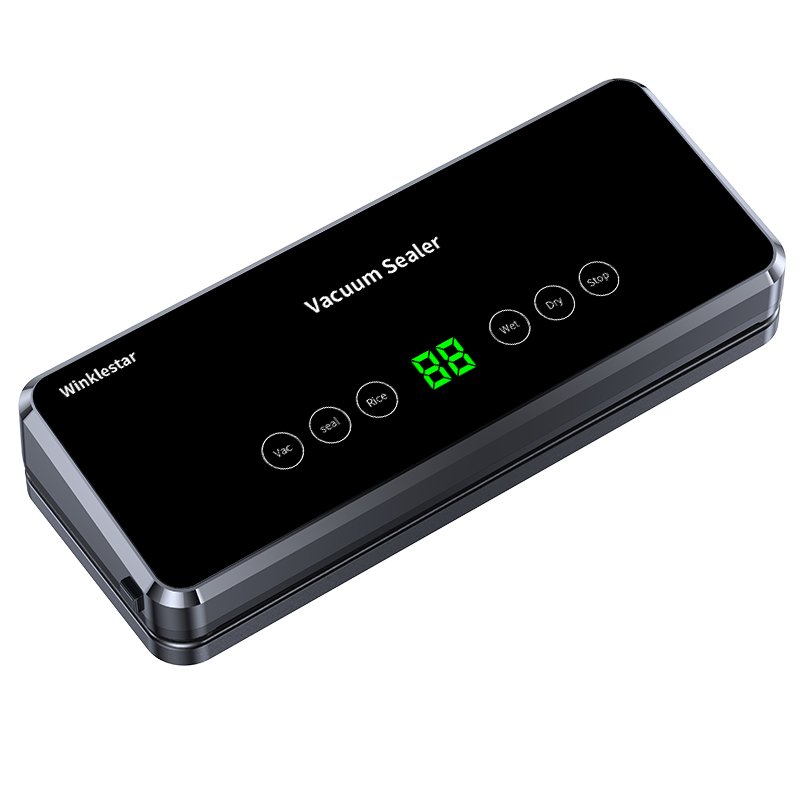
Cordless and handheld vacuum sealers have moved from a novelty add-on to a core SKU in kitchen-accessory ranges. Buyers want a tool they can grab off a charging dock, use on a single bag or a reusable container, and put back without unwinding a cord. For importers, retailers and distributors planning 2026 assortments, the question is no longer whether to stock cordless units, but how to specify them so returns stay low and margins stay healthy. As a vacuum-sealing machine manufacturer in Guilin building these units for buyers in 56+ countries, here is what we see working on the shelf and what to check before you place an order.
Why cordless and handheld units are growing
The pull is mostly practical. A countertop chamber or external bar sealer is the right tool for batch work, but most household sealing happens one bag at a time: leftovers, marinades, snacks, and resealing opened packaging. A handheld unit that pairs with reusable zipper bags and canisters fits that pattern and stores in a drawer. It also lowers the price-entry point, which helps you open a range with an approachable hero SKU and trade buyers up to a corded bar or chamber model later.
The second driver is the container ecosystem. Cordless sealers sell well when bundled with reusable bags, jar lids, wine stoppers and food canisters, because the consumable and accessory attach-rate lifts basket value. A unit sold on its own competes on price alone; a unit sold as a starter kit competes on convenience.
Battery: the spec that decides your return rate
Battery is where cheap units fail and where your warranty claims come from, so specify it deliberately rather than accepting the default cell a factory quotes.
Cell chemistry and capacity
Most quality handhelds now run a lithium-ion cell in the 1,200-2,000 mAh range. Capacity should be matched to the suction motor, not maximised for a spec sheet: an oversized cell on a weak pump just adds cost and weight. Ask for the rated cycles per full charge under a realistic load, not a lab-best number, and confirm the cell carries the certifications your market requires.
Charge retention and standby
Handhelds sit idle between uses, so standby drain matters as much as run time. A unit that holds charge for weeks on the dock will generate far fewer “dead on arrival” complaints than one that self-discharges in days. Request the standby figure in writing.
- Cell type and capacity (mAh) stated on the spec sheet, with the relevant transport and safety certifications.
- Rated charge cycles before meaningful capacity loss, under typical use.
- Run time per charge expressed as number of seals, which buyers understand better than minutes.
- Standby retention so units survive shipping and shelf time.
- Replaceable vs sealed battery, which affects repairability and how you position warranty.
USB-C is now the expected standard
For 2026 ranges, USB-C charging should be treated as a baseline requirement, not an upgrade. Micro-USB still appears on older tooling and lower tiers, but it increasingly reads as dated to end buyers and, in some markets, runs against common-charger regulation. USB-C lets you ship without a region-specific plug adapter, reduces the parts you stock, and lets the customer charge from chargers they already own.
Two details to confirm: that the port is genuine USB-C with a sensible charge current rather than a slow trickle, and that any included cable is good quality, since a failing cable produces the same support ticket as a failing unit. If you are sourcing a private-label kit, decide early whether to include a charger brick at all or ship cable-only to cut cost and weight.
Suction, sealing and real-world performance
Cordless units trade some raw power for portability, so set expectations correctly in your listings. A handheld is excellent for reusable bags, canisters and resealing; it is not a substitute for a chamber machine handling liquids and bulk. Look at negative pressure (suction strength), how cleanly it draws down a reusable bag, and whether it offers a moist setting or a pulse/manual mode for delicate items. If a unit also heat-seals single-use bags, check the seal width and consistency, because a narrow or intermittent seal is the most common cause of spoilage complaints.
Accessories and the attach-rate opportunity
The accessory layer is where cordless sealers earn their place in a range. Buyers rarely buy the device in isolation, and a well-chosen bundle both raises the order value and reduces the chance the unit ends up unused in a drawer.
- Reusable zipper bags in mixed sizes, the everyday consumable that drives repeat purchase.
- Vacuum canisters and food containers compatible with the same valve.
- Jar-sealing lids for standard mason and preserving jars.
- Wine stoppers as a low-cost, high-perceived-value add-on.
- Charging dock or wall mount that keeps the unit visible and topped up.
From a sourcing view, the advantage of buying device and accessories from one factory is valve compatibility and a single point of accountability. Mixing a sealer from one supplier with canisters from another often produces a poor seal that customers blame on the device.
What to confirm before you order
Beyond the headline specs, a few commercial checks protect your margin and your brand. Confirm the certifications for each destination market, the warranty terms you can stand behind, the MOQ and lead time, and the OEM/ODM options if you want your own branding, packaging and color. We work to a 12-month warranty and low minimums precisely so buyers can test a cordless line in one market before scaling it across several.
Talk to the factory
If you are planning a cordless or handheld line for 2026, we can help you match battery, charging and accessory choices to your market and price point, with direct-from-factory pricing and OEM/ODM support. Browse our vacuum sealer range or request a quote with your target volumes and we will come back with specs, samples and lead times.
Featured model
Cordless Vacuum Sealer, 2000mAh, 75kPa, 30 cm Seal (VS-TG4)
A factory-direct cordless vacuum sealer engineered for 2000mAh and 75kPa from Guilin Prime Household Products. Available OEM/ODM with low MOQ and a 12-month warranty for importers,…
from $14.10
Similar products
Cordless Vacuum Sealer, 75kPa, 28 cm Seal, 100W
Cordless Vacuum Sealer, 75kPa, 30 cm Seal, 120W
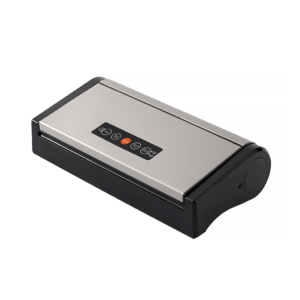
Cordless Vacuum Sealer, 75kPa, 30 cm Seal, Touch Control
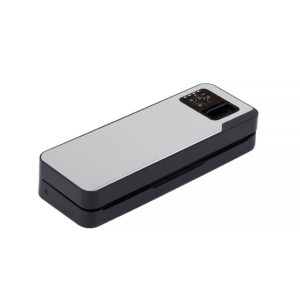
Cordless Vacuum Sealer, 75kPa, 30 cm Seal, 100W
Ready to order or need a wholesale quote?
Guilin Prime Household Products Co., Ltd. manufactures these vacuum sealers direct from our Guilin, China factory — OEM, private-label and B2B orders welcome. Tell us your target market and quantities for a factory-direct quote within 24 hours.